
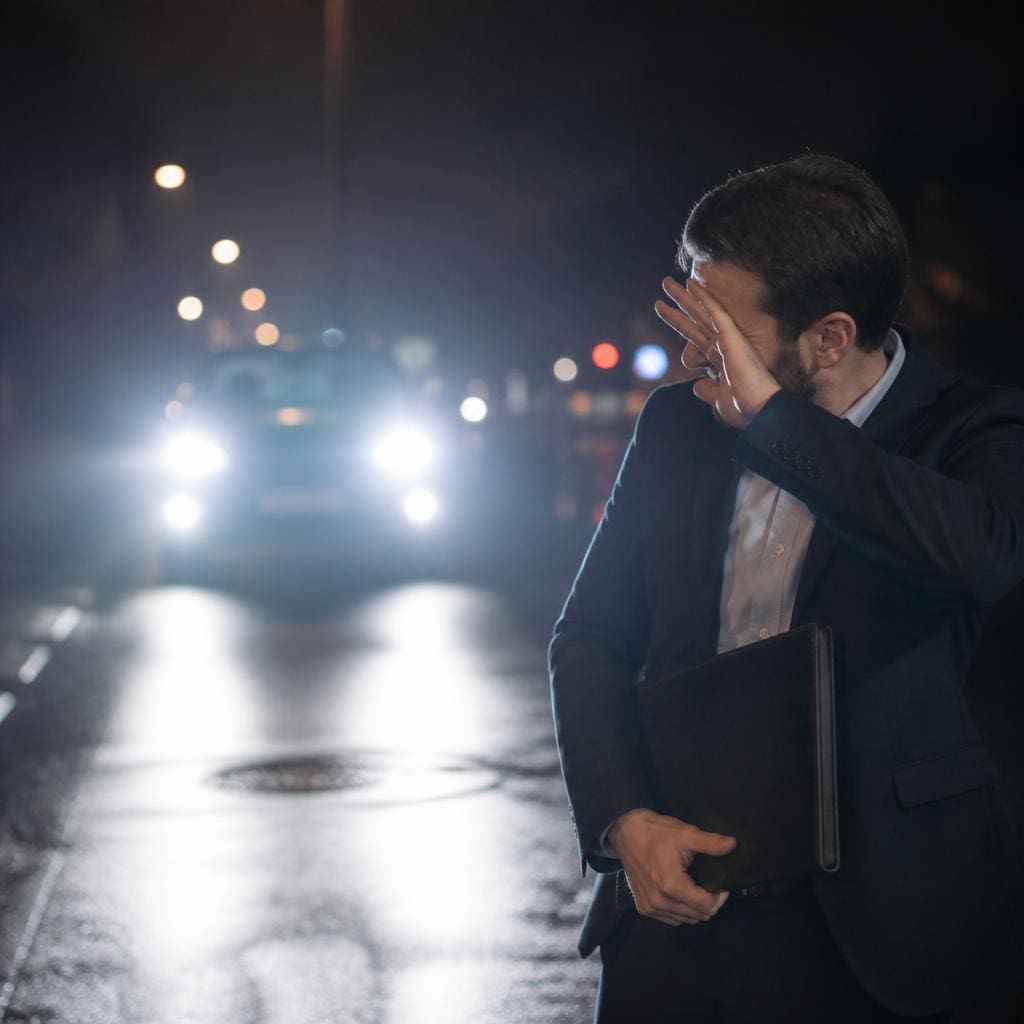
Vehicle lighting is becoming a practical business issue, not just a matter of driver preference. Reporting from ABC Business (Australia) highlights a straightforward tension: brighter LED headlights can improve visibility for the motorist using them, while potentially making conditions more difficult for a driver approaching from the opposite direction.
For small and mid-sized businesses, the issue is relevant wherever employees drive for work, customers travel to a premises, or vehicles are part of daily operations. Better visibility may support safer night driving for an individual motorist. However, the benefit cannot be considered in isolation if the same lighting creates discomfort or reduced visibility for other road users.
Owners and managers should treat vehicle choices as part of a wider risk-management conversation. When reviewing company vehicles or discussing safe driving expectations, it is useful to consider how equipment affects both the employee behind the wheel and everyone sharing the road. That means looking beyond the appeal of stronger illumination and asking whether a feature delivers a balanced result in real-world driving conditions.
The broader lesson is familiar to business: an upgrade that improves performance for one user can impose an unintended cost on others. Clear vehicle policies, sensible purchasing decisions and open feedback from drivers can help businesses assess that trade-off without assuming that the brightest option is automatically the safest overall choice. The question is especially relevant for businesses operating in Australia, New Zealand and North America, where employees and owners may spend significant time travelling after dark.
Source: ABC Business (Australia).
