
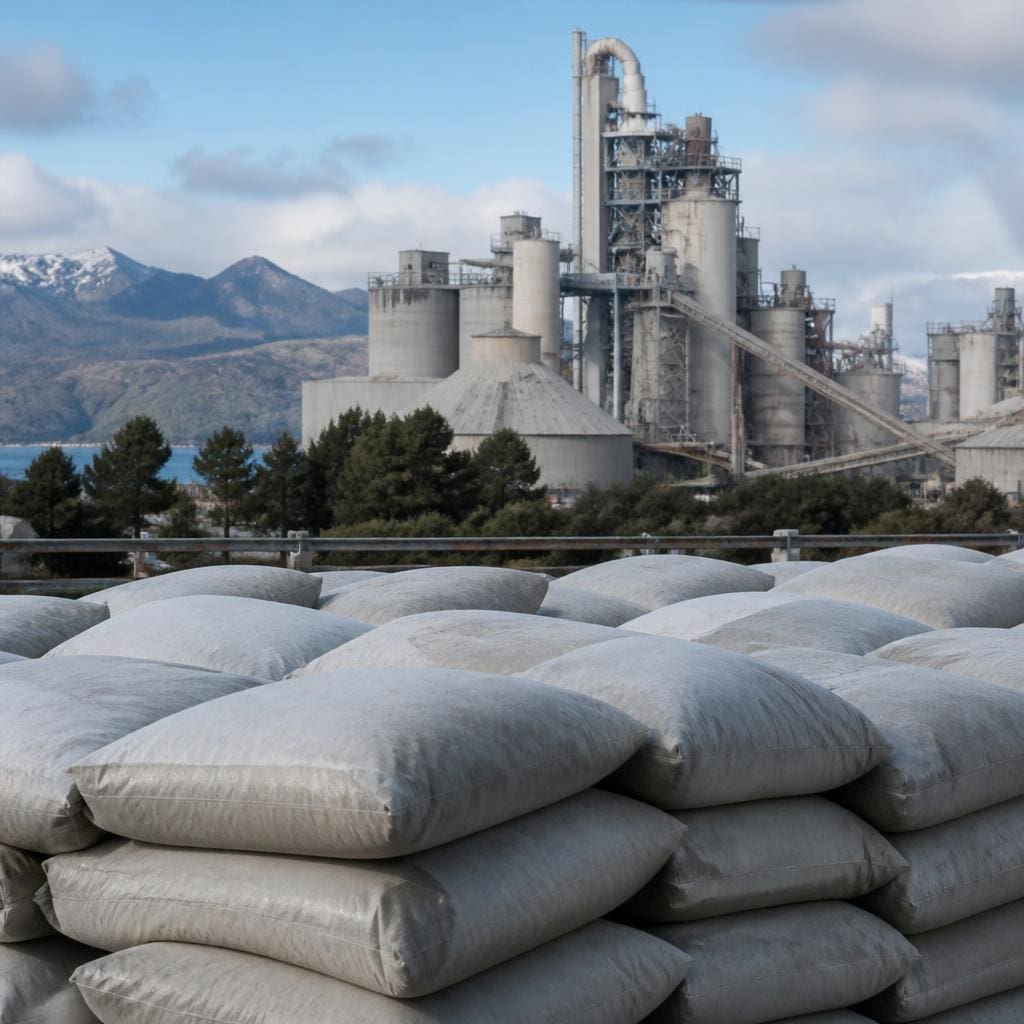
The New Zealand government is moving to provide up to $60 million in financial support to help keep cement production in the country, according to reporting from RNZ Business. The immediate business issue is continuity: without the funding, the plant would likely have had to close.
For businesses that buy cement or depend on construction activity, retaining domestic production may reduce the risk associated with losing a local supply option. The report does not establish how the support will be structured or how it will affect cement pricing, so companies should avoid assuming that funding will automatically produce lower costs.
The broader lesson applies well beyond cement. Owners should identify suppliers whose failure would materially disrupt operations, then assess alternatives, inventory requirements and the time needed to switch. A second source may cost more in normal conditions, but it can provide valuable protection when a key facility faces financial pressure. Businesses should also ask suppliers about their continuity plans rather than relying only on market headlines.
Government assistance can preserve productive capacity, but it does not remove the need for commercial discipline. Customers still need to monitor pricing, contract terms and service reliability, while the supported producer will need a sustainable operating model after any short-term assistance ends. For small and mid-sized firms, the practical priority is to use the news as a prompt to review concentration risk and prepare realistic backup options.
Source: RNZ Business (New Zealand).
