
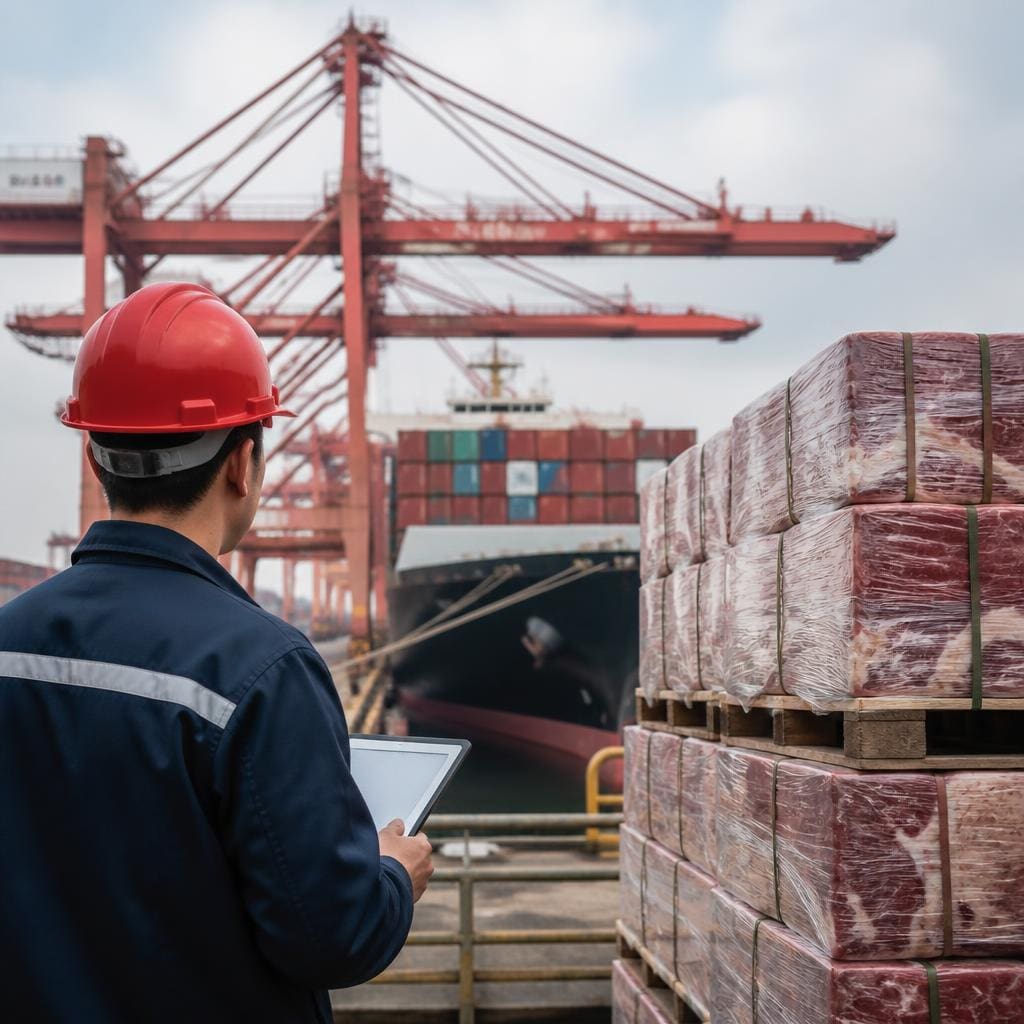
China’s frozen-beef reserves are becoming an important factor in the country’s meat trade after tariffs sharply reduced the flow of imports from Australia. ABC Business (Australia) reports that China has accumulated historically high quantities of frozen beef and is now turning to those supplies.
For Australian beef exporters, the development highlights how quickly market access can change when tariffs make shipments less competitive. Even where demand remains, a major buyer’s ability to rely on stored inventory can reduce the immediate need for new imports.
For small and mid-sized businesses connected to beef production, processing, distribution or food service, the practical lesson is to avoid treating one export market as permanently dependable. Owners should review their exposure to tariff changes, monitor customer order patterns and keep communication open with trading partners when purchasing or shipping conditions shift.
The story also reinforces the value of understanding inventory held elsewhere in a supply chain. A large reserve can give a buyer more flexibility over timing and sourcing, while exporters may face greater pressure to adjust pricing, destinations or sales plans. Businesses in Australia and other markets should distinguish between a temporary disruption and a longer change in trading conditions before committing resources.
Source: ABC Business (Australia)
